Sublimation Raw Materials for Custom Phone Covers
- Sublimation Experts
- Dec 22, 2025
- 4 min read

In the world of personalized products, custom phone covers stand out as a popular choice for individuals looking to express their unique style. The process of creating these custom covers involves sublimation, a technique that allows for vibrant and durable designs. To achieve the best results, understanding the raw materials used in sublimation is crucial. This blog post will explore the essential materials needed for sublimation printing on phone covers, providing insights into their properties, uses, and tips for successful customization.
Understanding Sublimation
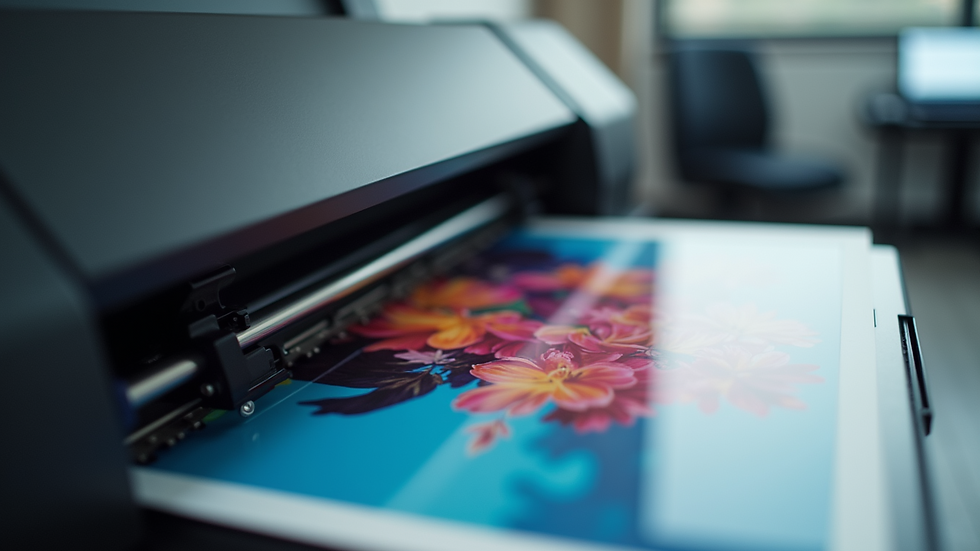
Sublimation is a printing process that involves transferring dye onto materials using heat. This technique is particularly effective for creating high-quality images on various substrates, including phone covers. The process begins with printing a design onto special sublimation paper using sublimation ink. When heat is applied, the ink turns into gas and permeates the surface of the material, resulting in a permanent bond that produces vivid colors and sharp details.
Key Benefits of Sublimation
Durability: Sublimated designs are resistant to fading, scratching, and peeling, ensuring that your custom phone cover remains vibrant over time.
Versatility: Sublimation can be applied to a wide range of materials, making it suitable for various types of phone covers.
Customization: The process allows for intricate designs, including photographs and complex graphics, giving customers endless possibilities for personalization.
Essential Raw Materials for Sublimation
To successfully create custom phone covers through sublimation, several key raw materials are necessary. Here’s a breakdown of each component:
1. Sublimation Ink
Sublimation ink is specially formulated to turn into gas when heated. This ink is crucial for achieving the vibrant colors and detailed images that sublimation is known for.
Types of Sublimation Ink: There are various brands and formulations available, including dye-based inks and pigment-based inks. Dye-based inks are more common for sublimation due to their ability to produce bright colors.
Choosing the Right Ink: When selecting sublimation ink, consider factors such as compatibility with your printer and the type of material you will be using.
2. Sublimation Paper
Sublimation paper is designed to hold the sublimation ink and release it effectively during the heat transfer process.
Quality Matters: High-quality sublimation paper ensures that the ink is transferred accurately, resulting in sharper images. Look for papers with a high transfer rate and good ink absorption.
Types of Sublimation Paper: There are various types of sublimation paper, including coated and uncoated options. Coated papers are often preferred for their ability to hold more ink.
3. Phone Covers
The choice of phone cover material is critical for successful sublimation. Not all materials are suitable for sublimation printing.
Polymer Coated Covers: Phone covers made from materials like polycarbonate or ABS plastic with a polymer coating are ideal for sublimation. The polymer coating allows the dye to bond effectively during the heat transfer process.
Metal Covers: Some metal phone covers are also suitable for sublimation, provided they have a special coating that allows for dye absorption.
4. Heat Press Machine
A heat press machine is essential for applying the necessary heat and pressure to transfer the design from the sublimation paper to the phone cover.
Choosing the Right Heat Press: Look for a heat press that offers adjustable temperature and pressure settings. A flat heat press is typically used for phone covers, but some users may prefer a mug press for curved surfaces.
Temperature and Time Settings: The ideal temperature for sublimation is usually between 375°F to 400°F (190°C to 204°C), with a pressing time of around 60 to 90 seconds. Always refer to the manufacturer’s guidelines for specific settings.
5. Protective Paper
Protective paper is used during the heat transfer process to prevent any ink from bleeding onto the heat press or other surfaces.
Importance of Protective Paper: This paper helps to absorb excess ink and protects both the heat press and the phone cover from unwanted marks.
Choosing Protective Paper: Use high-quality butcher paper or parchment paper as protective layers during the sublimation process.
Tips for Successful Sublimation
To achieve the best results when creating custom phone covers, consider the following tips:
1. Test Your Materials
Before starting a large batch of phone covers, conduct test prints to ensure that your materials work well together. This will help you identify any issues with ink transfer or color accuracy.
2. Use High-Resolution Images
For the best results, always use high-resolution images for your designs. Low-resolution images can result in pixelation and poor print quality.
3. Adjust Heat and Pressure Settings
Experiment with different heat and pressure settings to find the optimal combination for your specific materials. This may vary depending on the type of phone cover and sublimation ink used.
4. Allow for Cooling Time
After pressing, allow the phone covers to cool before handling them. This ensures that the dye has fully bonded with the material, preventing smudging or fading.
5. Keep Your Equipment Clean
Regularly clean your heat press and printer to prevent any buildup of ink or debris that could affect the quality of your prints.
Conclusion
Creating custom phone covers through sublimation is an exciting way to express individuality and creativity. By understanding the essential raw materials and following best practices, you can achieve stunning results that stand the test of time. Whether you are a hobbyist or looking to start a small business, investing in quality materials and equipment will set you on the path to success.
Now that you have a solid understanding of sublimation raw materials, it’s time to get started on your custom phone cover project. Gather your supplies, unleash your creativity, and enjoy the process of bringing your designs to life!

Comments